
With award-winning training and advanced technology, your A Local Pest Control specialist will look for conditions that invite pests and then address current infestations
Pests are a common problem that can affect both homes and businesses, causing inconvenience, material damage, and even health issues. Identifying and understanding the different types of pests is essential for taking effective preventive and corrective measures. In this article, we will explore a variety of pests that can infest homes and businesses, along with tips on how to prevent and control these unpleasant situations
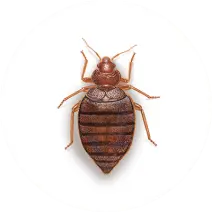
Characteristics of Bedbugs:
Bedbugs are small insects belonging to the order Hemiptera and the family Cimicidae. They have flat, oval-shaped bodies and are reddish-brown in color, although their appearance can change after feeding. Adult bedbugs can measure around 4 to 7 mm in length.
Behavior and Habits:
Bedbugs are primarily nocturnal and feed on blood, preferably from humans. They are known for their ability to hide in cracks and crevices in mattresses, furniture, walls, and other dark places during the day. At night, they come out in search of hosts to feed on.
Feeding Habits:
Bedbugs feed by piercing their host’s skin with a long beak and sucking their blood. Often, their bites can be painless initially due to the anesthetic substance they release. However, they can cause intense itching and allergic reactions in some people.
Damage Caused by Bedbugs:
Bites: Bedbug bites can cause irritation, itching, and redness on the skin. Scratching the bites can lead to infection. Allergic Reactions: Some individuals may have allergic reactions to the bites, resulting in severe swelling and redness. Psychological Issues: Severe bedbug infestations can cause emotional stress and anxiety due to sleep disruption and a feeling of invasion of privacy. Disease Transmission: Although rare, it has been suggested that bedbugs could transmit certain diseases, though their ability to do so has not been widely confirmed
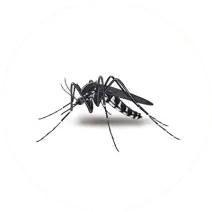
Characteristics of Mosquitoes:
Mosquitoes are flying insects belonging to the Diptera order and the Culicidae family. They are known for their small size, slender body, wings, and proboscis, which they use for blood-feeding. There are thousands of mosquito species worldwide, each with its specific characteristics.
Behavior and Habits:
Mosquitoes are primarily active during the twilight hours and at night, although some species can also bite during the day. Females are the ones that feed on blood, which is necessary for the development of their eggs, while males feed on nectar and other sugar sources.
Feeding Habits:
Female mosquitoes feed on blood by biting animals and humans. The bite can be annoying and cause itching due to an allergic reaction to the mosquito’s saliva. Additionally, some mosquitoes can transmit serious diseases such as Zika virus, dengue, and malaria.
Risks Associated with Mosquitoes:
Disease Transmission: Mosquitoes can transmit serious diseases to humans and animals, including dengue, Zika, malaria, West Nile virus, and more. Discomfort and Itching: Mosquito bites can cause discomfort and itching, often resulting in scratching and possible infection. Allergies: Some people may be allergic to mosquito bites, leading to severe reactions
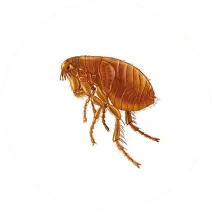
Characteristics of Fleas and Ticks:
Fleas: Fleas are small, wingless insects that feed on the blood of mammals and birds. They have flat bodies and strong legs that allow them to jump long distances. Fleas can cause discomfort and spread diseases through their bites.
Ticks: Ticks are parasitic arachnids that also feed on blood. They have oval bodies and eight legs. Ticks attach firmly to their host and can transmit serious diseases such as Lyme disease and Rocky Mountain spotted fever.
Risks and Associated Problems:
Fleas: Flea bites can cause itching, redness, and skin irritation. In cases of severe infestation, flea bites can lead to allergic reactions and dermatological issues.
Ticks: Ticks can transmit infectious diseases through their bites. These diseases can vary depending on the tick species and geographic region. Some tick-borne diseases include Lyme disease, babesiosis, and anaplasmosis
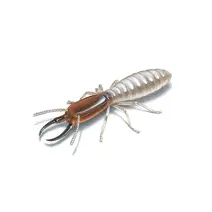
Characteristics of Termites:
Termites are social insects belonging to the order Isoptera. They are known for their ability to feed on wood and other cellulose materials, making them a threat to structures and buildings. Termites are divided into different castes, including workers, soldiers, and reproductives.
Damage Caused by Termites:
Termites feed on cellulose present in wood and other materials. This can cause significant structural damage to buildings and furniture. Termite damage often goes unnoticed for a long time, as termites hide within the wood.
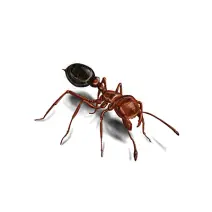
Characteristics of Ants:
Ants are social insects belonging to the order Hymenoptera and the family Formicidae. They are known for their segmented body structure, with a distinct head, thorax, and abdomen. There are thousands of ant species worldwide, each with specific characteristics.
Behavior and Habits:
Ants are highly organized insects that live in colonies with different castes, including queens, workers, and soldiers. Workers are responsible for foraging for food and maintaining the colony, while queens focus on reproduction.
Feeding Habits:
Ants have varied diets that can include sweet foods, proteins, and other types of organic matter. Some ant species are also predators and hunt small insects
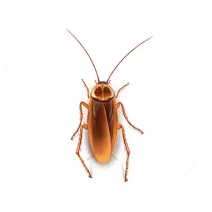
Characteristics of Cockroaches:
Cockroaches are insects belonging to the order Blattodea. They have flat, oval-shaped bodies, long antennae, and wings in some cases. There are several species of cockroaches, some of which are common pests in urban environments.
Behavior and Habits:
Cockroaches are nocturnal and are known for their ability to hide in dark and moist areas during the day. They are fast and agile insects that can easily move through cracks and crevices. Some species are capable of flying
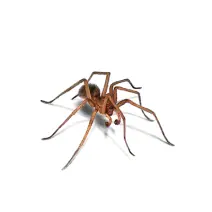
Characteristics of Spiders:
Spiders are arachnids belonging to the order Araneae. They have bodies divided into two parts, known as the cephalothorax and abdomen. Spiders have eight legs and come in a variety of sizes and colors, depending on the species.
Behavior and Habits:
Spiders are predators that primarily hunt and feed on insects. They spin silk webs to capture their prey or construct burrows to ambush them. Some spiders are venomous and use their venom to immobilize their prey.
Feeding Habits:
Spiders capture and consume a variety of insects and other small animals. Their feeding habits depend on their size and species. Some spiders may remain inactive for extended periods until they detect prey.
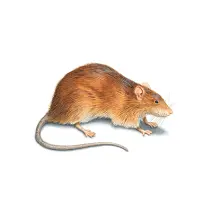
Mice are small rodents belonging to the family Muridae. They are known for their compact size, slender bodies, large ears, and long tails. Mice are highly adaptable and can be found in a variety of environments, from rural to urban areas. Two of the most common species of mice are the house mouse (Mus musculus) and the field mouse (Apodemus spp.).
Behavior and Habits:
Mice are nocturnal creatures and are highly agile, allowing them to easily hide and move in small spaces and dark corners. They are curious and exploratory rodents, leading them to investigate any food source they come across. They have a rapid reproduction rate, which means a small infestation can quickly become a larger problem.
Damage Caused by Mice:
Structural Damage: Mice can gnaw on electrical cables, pipes, and wooden structures, potentially causing property damage and increasing the risk of fires and water leaks. Food Contamination: They seek out and consume stored food in pantries and kitchens, contaminating remaining food with feces, urine, and hair. Disease Transmission: Mice can transmit diseases like salmonellosis through their contact with food and surfaces. Their droppings can also lead to respiratory issues if inhaled
Preventing pests is essential to maintain a clean, safe, and healthy environment in your home or business. Here are some practical tips to avoid the appearance of unwanted pests:
Inspect and seal any cracks, holes, or openings in doors, windows, ceilings, and walls. This will prevent pests from having entry points.
Repair any water leaks and prevent the accumulation of stagnant water in areas such as sinks, bathrooms, and around the property. Insects also seek water to survive.
Store food in airtight and pest-resistant containers. This will prevent insects and rodents from gaining access to your pantry and kitchen.
Keep your space clean and tidy. Clean regularly, sweep up crumbs, spills, and food residues. Dirty surfaces and areas are attractive to pests in search of food.
Keep the lawn short and trim the bushes. Neglected gardens can provide shelter for various pests.
Take out the trash regularly and ensure that containers are tightly closed. Pests are attracted to the odors of waste.
Maintain appropriate humidity levels in your home or business. Use dehumidifiers if necessary to prevent humid environments that attract pests.
If you have pets, bathe and brush them regularly to prevent fleas and ticks. Wash their bedding and keep their environment clean.